
Why Isn’t My House Selling? 7 Things to Review
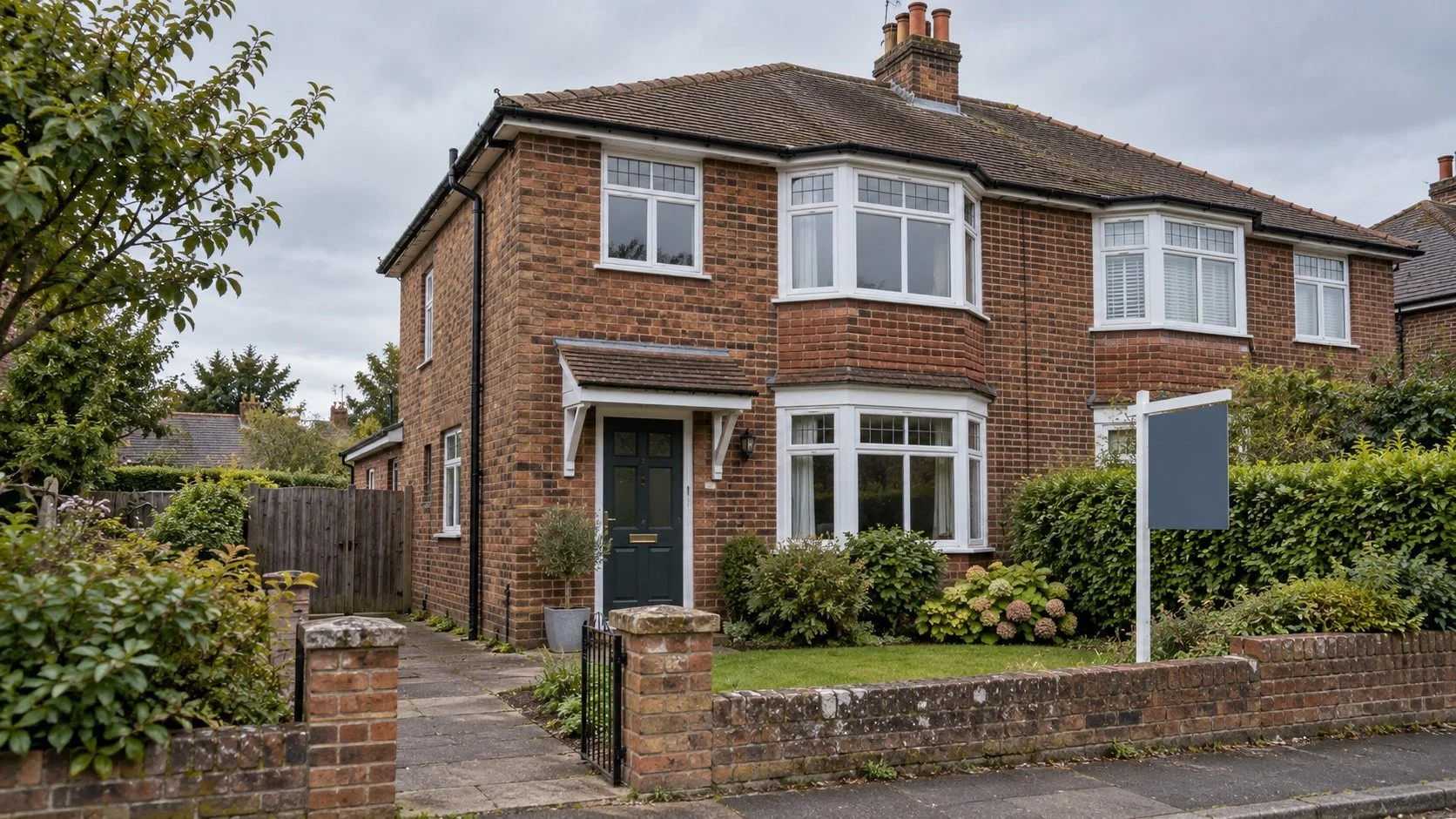
Illustrative image — not an actual Home & Castle listing.
Putting a home on the market and hearing little back can be frustrating. It does not automatically mean there is something wrong with the property. Often the useful question is where interest is slowing down: are buyers finding the listing, booking viewings, or viewing but not making an offer?
Here are seven practical things to review before making a big change.
1. Check the asking price against current competition
Look at homes a buyer would compare with yours today, as well as recent completed sales where available. An asking price should be supported by the property's condition, location and the evidence, not simply by the highest number someone suggests. The UK government's How to Sell guide notes that pricing well above an agent's valuation can mean a longer wait or no offers.
2. Look at the first impression online
Buyers may decide whether to enquire from the main photograph, headline, floor plan and opening description. Ask whether the strongest features are obvious within seconds. Photographs should be clear and truthful; the room order and floor plan should help someone understand how the home works.
3. Separate online interest from actual viewings
If a listing is being seen but few people enquire, revisit its price and presentation. If enquiries come in but do not become viewings, check whether the practical information buyers need is clear and whether viewing times are workable. If viewings happen but offers do not follow, feedback becomes especially valuable.
4. Ask for specific viewing feedback
“Not quite right” is hard to act on. Repeated comments about layout, light, maintenance or price are more useful. One person's preference may mean little; a pattern can point to a change worth making. Ask your agent what buyers liked as well as what held them back.
5. Fix what you can without over-spending
Small improvements such as tidying the entrance, addressing an obvious repair or making rooms easy to walk through may help buyers focus on the home. Major work is a different decision: discuss likely costs and buyer expectations before committing to it. A home need not look brand new to sell well.
6. Review the marketing plan, not just the price
Check where the property is advertised, how its key features are described and what has happened since launch. A measured refresh may be more useful than repeatedly changing the asking price without understanding the feedback. If you are thinking of changing agents, read your current agreement first so you understand any notice period or fees.
7. Decide on one clear next step
Agree what will change, why, and when you will review the response. That might be new photographs, a clearer description, more flexible viewings or a price adjustment supported by comparable evidence. There is no universal deadline or single fix for every property.
A local conversation can help
Home & Castle works with sellers across Oxfordshire and Buckinghamshire. If your home is on the market without the response you hoped for, or you are planning a fresh start, we can talk through its presentation and a realistic pricing approach. Request a free, no-obligation property valuation, or explore the areas we cover.